Clocking In to Chaos: How Mike Judge Turned the American Workplace Into a Comedy Nightmare
There's a particular kind of dread that sets in on Sunday evening. You know the one. The weekend is evaporating, the to-do list at work is still very much alive, and somewhere in the back of your brain, a tiny alarm is already going off. Mike Judge — the guy who gave us Beavis and Butt-Head, Office Space, and Idiocracy — understands that dread better than almost anyone working in American comedy. And in Extract, his 2009 follow-up to the beloved office satire that made him a cult legend, he goes even deeper into the grind.
The film doesn't get nearly as much love as it deserves, but here at Extract The Movie, we think it's one of the sharpest workplace comedies ever put on screen. So let's clock in and break it down.
The Setup: A Factory, Not a Cubicle Farm
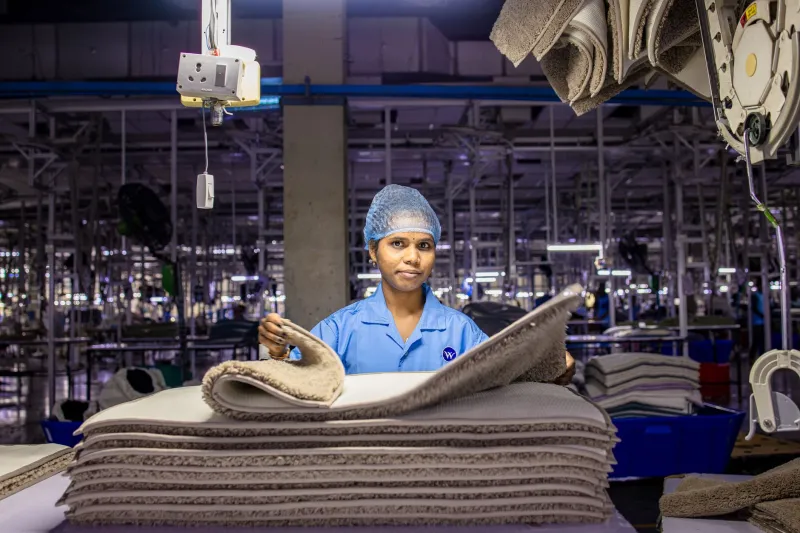
One of the smartest choices Judge made with Extract was shifting the setting from the sterile open-plan office of Office Space to an extract manufacturing plant — think vanilla and almond flavoring, the kind of stuff that ends up in your grocery store baked goods. It's a deliberately unglamorous backdrop, and that's entirely the point.
Jason Bateman plays Joel Reynolds, the founder and owner of the plant, which sounds like a power position until you realize he's just as trapped as everyone else. He can't sell the company without the right buyer, can't connect with his wife, and can't seem to get out from under the weight of his own mediocre existence. Judge isn't just poking fun at the workers on the floor — he's indicting the whole ladder, top to bottom.
That's a bolder move than it might seem. A lot of workplace comedies position management as the villain and the everyday worker as the put-upon hero. Extract refuses that easy framing. Joel is sympathetic, sure, but he's also kind of a mess. He makes bad decisions, listens to the wrong people, and spends half the movie being manipulated by a con artist played with gleeful energy by Mila Kunis. Nobody here is entirely off the hook.
The Dark Comedy of Everyday Incompetence
What makes Extract feel so genuinely uncomfortable — in the best way — is how accurately it captures the specific texture of workplace dysfunction. This isn't the heightened, cartoonish corporate evil of something like Office Space's TPS reports or the over-the-top absurdity of Horrible Bosses. The humor here is quieter, more cringe-inducing, and honestly more recognizable.
Take the character of Step, played by Clifton Collins Jr. He's a factory worker who loses part of a finger in an accident and becomes the focal point of a lawsuit that threatens to derail Joel's sale of the company. Step isn't a villain. He's not even particularly calculating at first. He's just a guy who got hurt and then got convinced by a slick lawyer — and later by Kunis's con artist — that he deserves more than he's getting. The horror isn't that he's wrong. It's that the whole situation is entirely believable.
Judge has always been interested in the gap between the American Dream as advertised and the American Reality as lived. In Extract, that gap is wide enough to fall into.
Comparing the Canon: Where Does Extract Fit?
Workplace comedies have been a staple of American entertainment for decades, largely because so many people spend the majority of their waking hours at work. From the slow-burn awkwardness of the US version of The Office to the anarchic energy of 9 to 5, the genre keeps finding new ways to process the shared misery of punching the clock.
Office Space is the obvious point of comparison for Extract, and we'll dig into that rivalry more in another piece. But it's worth noting here that Extract actually has more in common structurally with films like Fargo or Burn After Reading — dark comedies where a series of small, stupid decisions snowball into something much bigger than anyone intended. Joel's choice to hire a gigolo to test his wife's fidelity is the film's clearest example of this: a moment of weakness that spirals into farce.
What separates Extract from a lot of its peers is its refusal to let anyone — worker, manager, or audience — feel entirely comfortable. We laugh, but we also wince. That's a harder balance to strike than most people give Judge credit for.
Has the Satire Aged Well?
Fifteen-plus years after its release, Extract holds up in ways that might actually surprise you. The anxieties it captures — stagnating careers, the fear of being stuck, the creeping sense that everyone around you is slightly incompetent — haven't gone anywhere. If anything, they've intensified in the post-pandemic work landscape, where questions about what we owe our employers and what they owe us have never been more loaded.
The film's treatment of the lawsuit subplot might feel a little cynical to some viewers, but it's less about skewering injured workers and more about how quickly opportunism can corrupt a legitimate grievance. That's a nuanced take, and one that still resonates.
Some of the humor around Joel's suburban marriage feels a bit more dated — the trope of the sexually unavailable wife has been critiqued, fairly, in the years since. But even there, Judge gives the character enough texture that she doesn't feel like a pure punchline.
Why the Mundane Hits Hardest
Here's the thing about workplace comedies that connect with American audiences: they work because they're not really about work. They're about identity. About what happens when the thing you do for a living starts to feel like the thing you are, and whether that's enough.
Joel Reynolds built a company from scratch. He should feel proud. Instead, he feels hollow. That's not a joke — or rather, it's the kind of joke that lands because it's also a little heartbreaking. Mike Judge understands that the funniest material often lives right next to something genuinely sad.
Extract is a film that rewards patience and repeat viewing. It's not trying to make you laugh every thirty seconds. It's trying to make you recognize something true about the way we live and work in America, and then laugh — or groan — at the recognition.
That's the good stuff. And we're here to squeeze every last drop of it.